What does the global used clothing trade look like?
- What are the global forecasts and market value of the B2B used clothing sector?
- What do the intercontinental trade flows of used clothing look like?
- What legal and certification requirements determine wholesale logistics in the used clothing industry?
- How do demand and fashion preferences differ across used clothing destination markets?
- How can a used clothing wholesaler help their brick-and-mortar buyers?
- How can used clothing wholesalers optimize margins and the supply chain?
The global used clothing trade relies on massive container flows from overconsumption markets to developing nations, alongside digital professionalization in Europe and the USA. For wholesalers and B2B importers, profitability depends on abandoning risky unsorted clothing in favor of precisely classified quality categories while complying with legal and sanitary regulations.
Key takeaways
- Main supply directions
The USA and Europe generate massive surpluses, but China is rapidly becoming a key B2B leader due to logistical flexibility and tailored sorting for emerging markets.
- Sanitary standards
East African markets (Kenya, Uganda, Tanzania) strictly require fumigation certificates, without which Full Container Load (FCL) clearance is impossible.
- Quality shift
Retail demand is evolving toward premium and vintage brands, forcing wholesalers to implement rigorous quality control and certification standards.
- Professionalization
Studies show that shame and in-store chaos are the main barriers for non-buyers; therefore, wholesalers should educate retailers on creating aesthetic boutique spaces.
What are the global forecasts and market value of the B2B used clothing sector?
The global used clothing market reached a value of 241.6 billion USD in 2026 and exhibits growth dynamics multiple times higher than traditional new clothing retail. According to Persistence Market Research forecasts, this market will grow to 441.7 billion USD by 2033, recording a compound annual growth rate (CAGR) of 9%. Alternative market analyses indicate that the sector could even reach 521.5 billion USD by 2034 at a CAGR of 10.7% (according to Global Market Insights) or 393 billion USD by 2030 (according to the ThredUp/GlobalData report). Wholesalers and distributors of used clothing therefore operate in an environment with stable and predictable growth indicators.
From a regional perspective, North America remains the market leader with a 38% share of global revenues in 2025. Europe is the second-largest market with a 16.4% share in 2024 and a projected CAGR of 9.7%. Within Europe, the largest individual markets are Germany, holding a 22–24% regional share, and the United Kingdom with a 20% share.
The Asia-Pacific region currently exhibits the fastest growth rate. It is heading toward a value of 164.5 billion USD by 2034, driven by an expanding resale system in China and a growing middle class in India.
What do the intercontinental trade flows of used clothing look like?
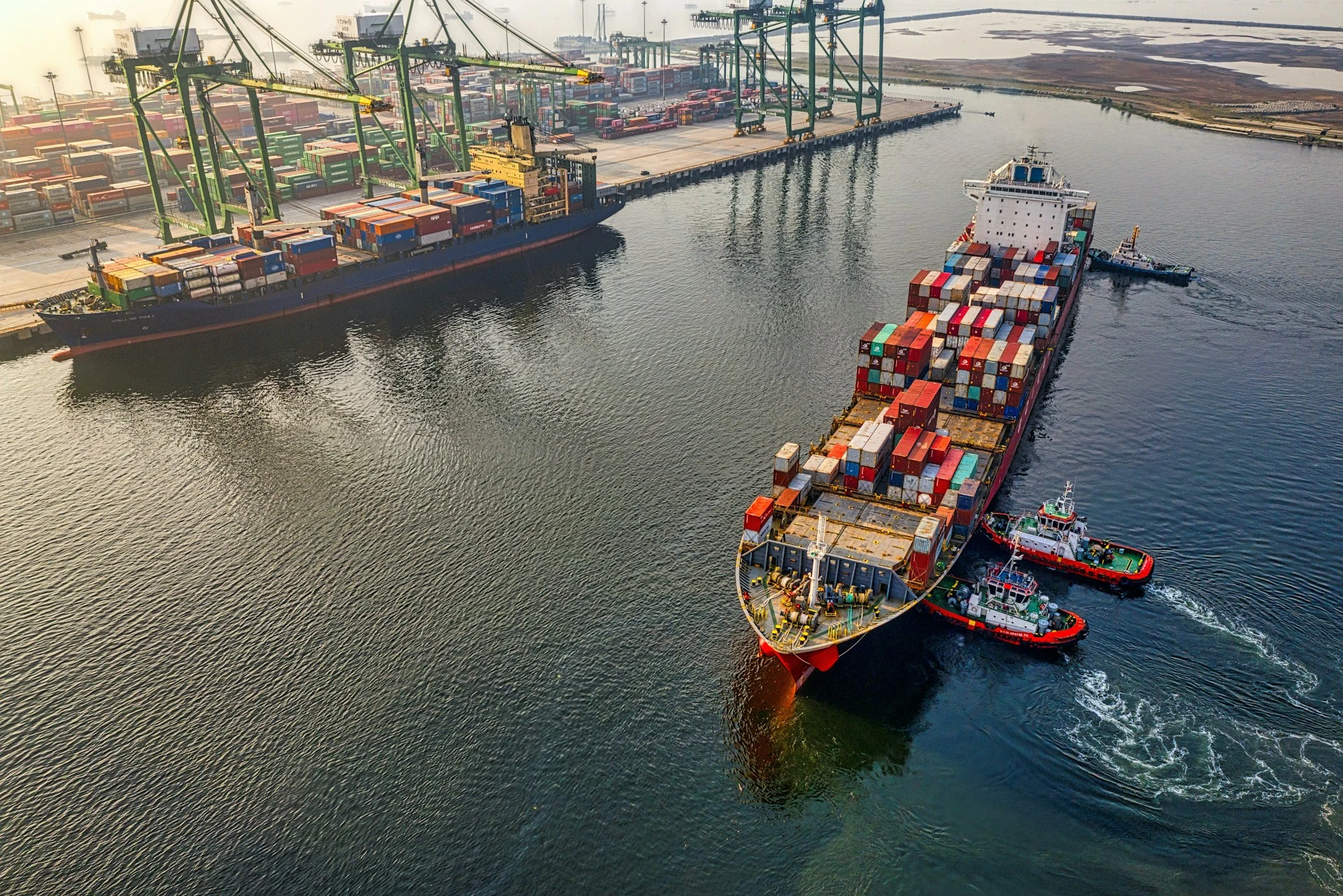
Global trade flows of used clothing consist of exporting textile surpluses from high-consumption developed nations (the USA, Western European countries, China) to developing countries and emerging economies in Africa, South Asia, and Latin America. The main engine behind these flows is the fast fashion phenomenon in the West. This trend generates enormous volumes of apparel that are discarded after short-term use and redirected into secondary global markets.
From the perspective of exporting countries, the supply chain rests on three main pillars:
- The United States
The USA produces approximately 1.4 million tons of used clothing annually, exporting as much as 800,000 tons. A large portion of the used clothing initially sold to local domestic thrift stores ultimately ends up bound for African nations.
- European countries
Europe generates between 1.5 and 2 million tons of used textiles each year. Large sorting facilities located in Western and Eastern Europe retain only a small percentage (the highest quality items) for local European retail shops, while the remainder is allocated for export.
- China
As a rapidly rising export leader, China holds over half of the world's textile production capacity, with a market value of 266.41 billion USD. Recently, China overtook Western nations to become the most frequent exporter of used clothing to Africa.
The primary import destinations for used clothing are Africa (which absorbs over 70% of global charity and commercial clothing allocations) and South Asia. In South Asia, India is currently the world’s largest importer of used clothing, ahead of Pakistan and Bangladesh. In Latin America, the leading importing countries include Guatemala, Honduras, Costa Rica, Nicaragua, and Panama.
China as the new pole of B2B supply
China is becoming a highly viable supply option for modern wholesalers due to unique benefits in the supply chain. The rapid growth of the domestic fast fashion market means that wardrobe turnover among young, affluent Chinese consumers has spiked drastically. This behavior generates a massive volume of garments in near-perfect condition.
Within Chinese wholesale batches, buyers frequently find completely brand-new products with original tags attached. Additionally, the average body types and heights of Asian consumers align closely with target demographics in many emerging markets, eliminating major sizing mismatch issues.
What legal and certification requirements determine wholesale logistics in the used clothing industry?
International wholesale logistics requires suppliers to strictly prepare customs documentation for sensitive goods and hold valid sanitary certificates. Because customs authorities classify textiles and used clothing as goods susceptible to illegal trade, container shipments are subjected to rigorous physical inspections at borders.
A crucial document in international trade is the Fumigation Certificate. Fumigation is a chemical pest-control technique used to eliminate termites, insects, and other harmful living organisms, preventing the cross-continental spread of invasive species. Nations such as Kenya, Uganda, Tanzania, and Cameroon strictly require a fumigation certificate during customs clearance for containers holding used clothing and footwear. Failing to produce this document results in immediate cargo detention at the port.
Furthermore, B2B used clothing importers must account for import restrictions and bans implemented by certain governments aiming to protect local textile manufacturing:
- Nigeria officially bans the import of used clothing (it is featured on a list of 35 prohibited products), though in practice, this regulation is not strictly enforced in local open-air marketplaces.
- Rwanda introduced a total import ban in 2018 to stimulate its domestic textile sector, which subsequently led to the suspension of its duty-free export privileges to the USA under the AGOA (African Growth and Opportunity Act).
- Ethiopia has legally banned the sale of secondhand clothing, yet high demand across urban areas ensures that the trade continues to thrive underground.
- South Africa permits the import of used clothing exclusively for philanthropic and charitable purposes, categorically forbidding its resale for commercial profit.

How do demand and fashion preferences differ across used clothing destination markets?
Wholesale buyers across different continents request completely different product categories and styles based on local economic, climatic, and cultural factors. For a used clothing wholesaler, success relies on flexibly adjusting the percentage breakdown of different clothing categories within shipped bales.
The African market
Demand here is driven by an urgent need for affordable, durable clothing. Alongside daily summer and winter wear (T-shirts, jeans, and children's sportswear), there is a noticeable rise in demand for specific retro and traditional silhouettes. Men in Uganda frequently seek classic long trousers and long-sleeve shirts, while women look for stylish silk dresses featuring 19th-century Victorian cuts (puff sleeves, waist bows). In Zambia and neighboring regions, wrap dresses made from traditional chitenge fabric are highly popular. The entire secondhand clothing market (known in Swahili as Mitumba) generates substantial tax revenues for local governments.
The Western European and North American markets
In these regions, consumers are motivated by "clever consumption", sustainability, ecology, and the pursuit of unique vintage or retro styles (the '80s, '90s, and Y2K aesthetics). Up to 80% of Gen Z and Millennials view secondhand shopping as a form of self-expression and a stance against fast fashion. B2B buyers in these markets look for branded streetwear (Nike, Adidas, Zara, Levi's), smart-casual apparel (blazers, button-downs), and high-quality outerwear (leather jackets, wool coats, trench coats).
How can a used clothing wholesaler help their brick-and-mortar buyers?
Re-commerce research proves that the primary barrier preventing non-buyers from entering the secondhand market is the social factor—shame, fear of stigma, and the anxiety of being judged by peers. Additionally, consumers actively reject the chaos, messy bins, and unpleasant odors associated with traditional, unorganized thrift stores.
As a B2B wholesaler, you can capitalize on this by offering retailers pre-sorted, sanitized, and curated batches of Grade A and Cream clothing. This allows retailers to transform their stores into clean, bright, and aesthetic boutiques. Such a visual shift directly neutralizes the psychological resistance of new customers, enabling retailers to sell garments at significantly higher profit margins.
How can used clothing wholesalers optimize margins and the supply chain?
Maximizing wholesale profits in the used clothing trade requires implementing precise sorting standards and diversifying suppliers. The traditional model of selling raw, unsorted clothing is losing ground to strict quality categorization. To ensure operational stability, a modern warehouse should implement the following optimizations:
- Sorting facility with an integrated QC system
Quality control must be based on a rigorous, multi-stage inspection process to minimize textile waste and maximize the extraction of highly profitable "Cream" grade items.
- Seasonal fraction sorting
Precise separation of warm clothing (jackets, coats) and lightweight items (tops, jeans), hand-packed into secure, compressed bales. This reduces the risk of fabric damage during Full Container Load (FCL) transit.
- MOQ management
Tailoring minimum order quantities to match the financial capabilities of smaller importers, while simultaneously offering volume discounts for contract buyers ordering entire containers.
The table below outlines the demand structure and margin potential for various product categories in the B2B wholesale trade:
| Product category | Global market share | Average wholesale margin | Main target markets | Buyer tip |
| Tops & T-shirts | 35% share (2025) | Average (High volume) | Africa, South Asia, Latin America | Widespread, stable demand; straightforward condition assessment. |
| Outerwear | High (Seasonal) | Very high | Western Europe, North America | Focus on leather jackets, trench coats, and wool coats. |
| Streetwear | Growing dynamically | High | Europe, USA, Southeast Asia | Highly sought-after brands: Nike, Adidas, Levi's. |
| Premium / Cream grade | Very high demand | Extremely high | Vintage boutiques, online platforms (USA/EU) | New clothes with tags or items in pristine condition. |
Frequently asked questions (FAQ)
The global used clothing market value is positioned at 241.6 billion USD in 2026 and is projected to reach 441.7 billion USD by 2033. Alternative estimates project the market could expand to 521.5 billion USD by 2034.
The export market leaders are the United States, Western European countries, and China, with China rapidly capturing market share in deliveries to Africa and Asia. The largest single importer of used clothing in the world is India.
A fumigation certificate is an official document confirming that textiles have undergone chemical treatment to eliminate pests and insects. It is strictly required by customs offices in countries like Kenya, Uganda, Tanzania, and Cameroon to prevent container seizure.
Countries including Nigeria, Rwanda, Ethiopia, and South Africa have established restrictions or complete import bans. These measures aim to protect and stimulate domestic textile manufacturing and create jobs in local factories. For instance, Rwanda lost its duty-free access to the US market under the AGOA agreement due to its stance.
China provides a massive supply chain network, high-precision clothing sorting (including a large proportion of garments with original serial tags), low production costs, and inventory that fits the sizing and style preferences of emerging markets perfectly.
Cream-grade apparel includes garments that are brand new with tags or in flawless condition with zero signs of wear. This segment yields the highest profit margins and is highly sought after by growing e-commerce stores and vintage boutiques in Europe and the USA.
Mitumba is the Swahili term used to describe imported secondhand clothing and footwear in Africa. This sector is an economic cornerstone, generating millions of jobs (employing 10% of the workforce in Kenya alone) and serving as an important source of tax revenue for state budgets.
Wholesalers should partner with suppliers that guarantee precise inventory categorization, transparent photographic documentation, and manual folding and packing practices that prevent textile damage during long-distance transit.
The main barrier is the social factor, which includes shame, fear of social stigma, and anxiety regarding negative judgment from others. Non-buyers also express concern over in-store chaos and the lack of full size runs in traditional brick-and-mortar thrift shops.
Are you interested in cooperation with a business partner who will deliver used clothing straight from North America?
Choose the A&E Clothing wholesaler and sorting plant.
Check our standards and order a test batch.