How does importing used clothing (mitumba) from the USA to Kenya work?
- Key takeaways
- What is the mitumba market in Kenya?
- Where does the clothing sold on the mitumba market come from?
- What certificates are required to import into Kenya?
- KS EAS 356:2019 technical standard - how must bales be prepared?
- What does the process look like step by step, from order to pickup in Mombasa?
- How does customs clearance at the port of Mombasa work?
- What customs duties does the Kenya Revenue Authority (KRA) charge?
- What order volume makes sense for importing to Kenya?
- Delivery terms - CIF or EXW when importing to Kenya?
- Which quality class should you choose for the mitumba market?
- The most common mistakes first-time importers make when ordering from the USA
- Kenya as a gateway to the East Africa region
- How to choose a used clothing supplier for the Kenyan market?
Importing mitumba from the USA to Kenya requires a PVoC certificate and a Certificate of Conformity, customs clearance at the port of Mombasa, and a container-level order - typically starting from a 40' HC container. The goods are mainly Grade A/B class, matched to the retail mitumba market. Below is the full process: from selecting the assortment, through documentation, to customs clearance and common mistakes made by importers on this route.
Key takeaways
- Kenya requires a PVoC certificate (Pre-Export Verification of Conformity) and a Certificate of Conformity before goods clear customs at the port of Mombasa.
- The mitumba retail market mainly buys Grade A/B clothing - bales weighing 100 lbs / 45 kg, sized for piece-by-piece resale.
- A realistic order starting point is a 40' HC container - roughly 440-600 bales of 45 kg (100 lbs) each, i.e. around 20-27 net tons, depending on the supplier's compression level.
- Customs regulations and certification requirements change - verify current PVoC requirements before any purchasing decision.
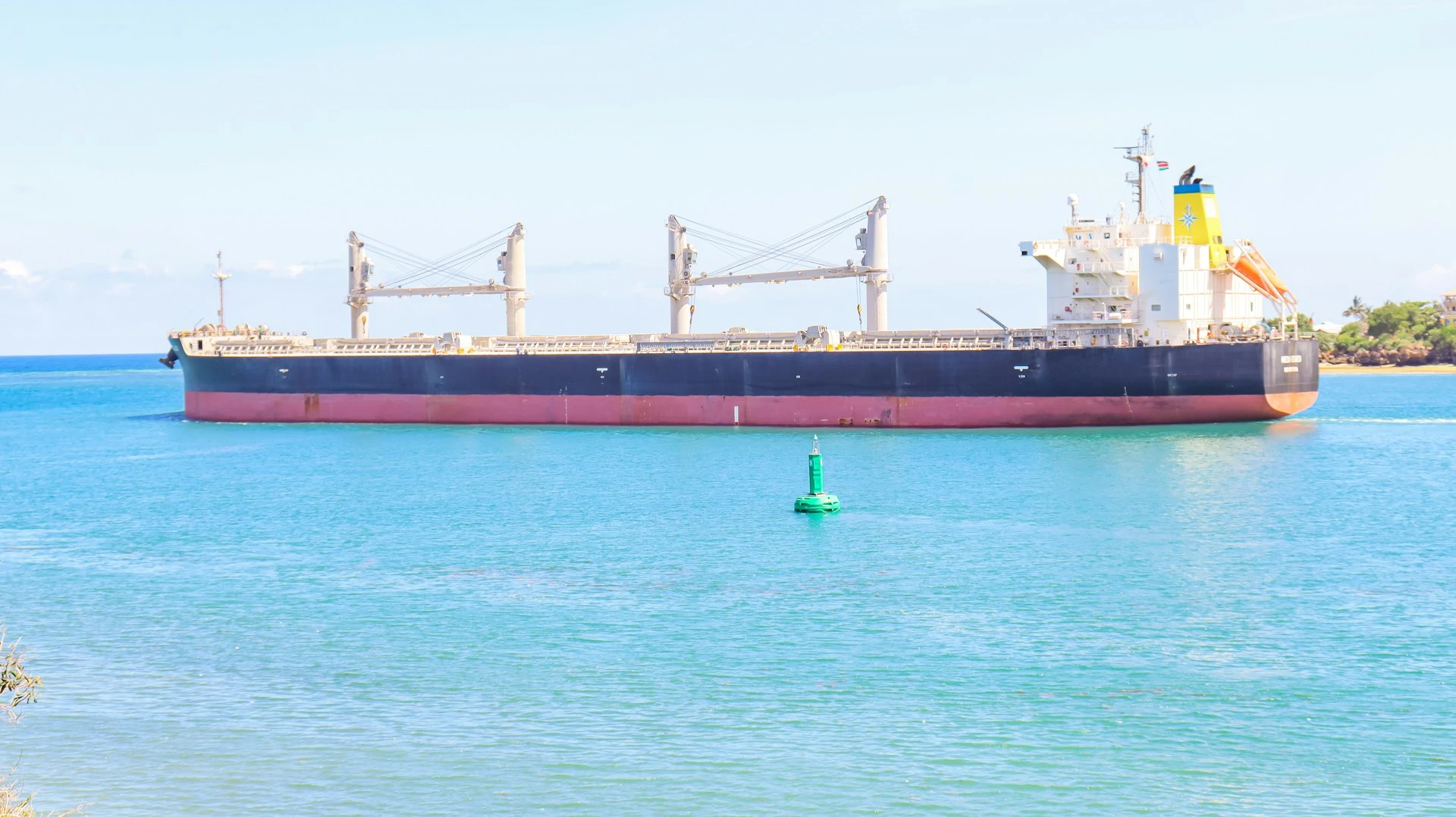
What is the mitumba market in Kenya?
Mitumba is the Swahili term for used clothing sold at Kenyan markets and in retail shops. The term covers the entire chain - from container imports, through local wholesalers, to street vendors in Nairobi, Mombasa, or Kisumu.
The mitumba market runs on a piece-by-piece model. A retail vendor buys smaller lots from an unbundled container from an importer or local wholesaler, not entire bales in original packaging. For the importer, this means the quality and predictability of a bale's contents directly affect margin and stock turnover - the end customer evaluates a single garment, not the bale as a whole.
Used clothing imported from the USA enters Kenya mainly through the port of Mombasa - the main entry point for goods across East Africa, which also handles transit to Uganda and other landlocked countries in the region. The scale of this market makes Kenya one of the most developed export destinations for used clothing from the USA, with established clearance infrastructure and specialized inspection companies present locally.
The mitumba market is not uniform. It includes both large wholesalers supplying hundreds of stalls and smaller regional distributors serving individual towns. The scale of an importer's business directly affects which order volume and delivery frequency will be cost-effective.
Where does the clothing sold on the mitumba market come from?
Used clothing arriving in Kenya comes from collection across the USA, where it is sorted and baled before export. Used clothing from the USA is a valued raw material on export markets thanks to the scale of collection, the diversity of the assortment, and the quality stability that comes from uniform sorting standards.
Sorting is done by quality class, which determines the further destination of the goods:
- Clothing in good condition goes into the Grade A/B class - the main assortment for the mitumba market.
- Carefully selected clothing in very good condition goes into the Premium/Cream class - a higher-margin segment.
- Clothing with visible defects goes into Mixed Rags - a different market destination, outside retail mitumba.
For an importer serving the Kenyan market, it's essential to understand that each of these classes has a different market destination and a different bale weight - mixing them in one order without a clear split makes retail sales planning harder.
What certificates are required to import into Kenya?
Importing used clothing into Kenya requires a PVoC certificate (Pre-Export Verification of Conformity) and a Certificate of Conformity issued on the basis of a pre-shipment inspection. Without these documents, goods will not clear customs at the port of Mombasa.
The certification process typically includes:
- Registering the shipment with one of the authorized inspection companies (e.g. SGS, Intertek, Bureau Veritas) before loading.
- A pre-shipment inspection of the goods - compliance with quality and safety requirements.
- Issuing the Certificate of Conformity, which accompanies the shipment and is presented during customs clearance.
- Verification of the document by Kenyan customs at the port of Mombasa.
A&E Clothing prepares full export documentation on its side, including the Certificate of Conformity required for exports to Kenya and the fumigation certificate. The PVoC inspection itself is carried out by an authorized inspection company operating in this field.
Documentation accompanying the shipment also typically includes a packing list detailing the container's contents and the transport documents required for sea customs clearance. Having complete documentation ready before loading shortens clearance time at the port and reduces the risk of the shipment being held.
Disclaimer: Kenya's certification and customs requirements are subject to change. Before making a purchasing decision, verify the current PVoC and CoC requirements directly with an authorized inspection company or the Kenya Bureau of Standards (KEBS).
KS EAS 356:2019 technical standard - how must bales be prepared?
The KS EAS 356:2019 standard sets out the technical requirements for packaging, labeling, and the structure of used clothing bales imported into Kenya - meeting them is a condition for clearance regardless of holding a Certificate of Conformity.
Key requirements of the standard:
- Single Category Rule. Each bale must contain only one type of assortment, for example only men's trousers or only women's dresses. Mixed-assortment bales are not permitted for import into this market.
- Packaging. Bales must be packed only in transparent, waterproof film that allows visual verification of the contents without unpacking.
- Labeling. Each bale must carry a permanent marking showing the net weight in kilograms, the clothing category, full supplier and importer contact details, and a declaration of country of origin.
Meeting these requirements on the supplier's side has a direct effect on how smoothly clearance goes at the port of Mombasa - packaging or labeling that does not comply with the KS EAS 356 standard is one of the more common reasons for a container being held by customs.
Disclaimer: the requirements of the KS EAS 356:2019 standard may be amended by KEBS - verify the currently applicable version of the standard before preparing an order.
What does the process look like step by step, from order to pickup in Mombasa?
Importing used clothing from the USA to Kenya follows several recurring stages, regardless of order size.
- Inquiry and assortment selection. The importer specifies the preferred quality class (most often Grade A/B for the mitumba market) and the order volume. At this stage, delivery terms are also agreed - CIF or EXW.
- Individual quote preparation. Price depends on the class of goods, order volume, and delivery direction - we prepare an individual quote upon inquiry, without publishing a price list.
- Pre-shipment inspection. An authorized inspection company checks the goods' compliance as part of the PVoC procedure.
- Issuing the Certificate of Conformity. The document accompanies the shipment as the basis for clearance in Kenya.
- Container loading. Goods are packed into bales according to the ordered quality class, together with a full set of documentation - packing list, fumigation certificate, Certificate of Conformity.
- Sea freight to the port of Mombasa. Standard sea freight transit time from ports on the US East Coast or from Europe to Mombasa is usually 30 to 45 days, depending on the route and carrier.
- Customs declaration and document verification. Kenyan customs verifies the Certificate of Conformity along with the remaining documentation.
- Pickup of goods and transport to the importer's warehouse. Once clearance is complete, the goods are released to the importer or their representative at the port.
Importers interested in overseeing quality can use the option of a pre-loading inspection or presence during loading - either in person or through a third-party company. This is an extra safeguard, especially for a first order, while both parties are still building trust in the process.
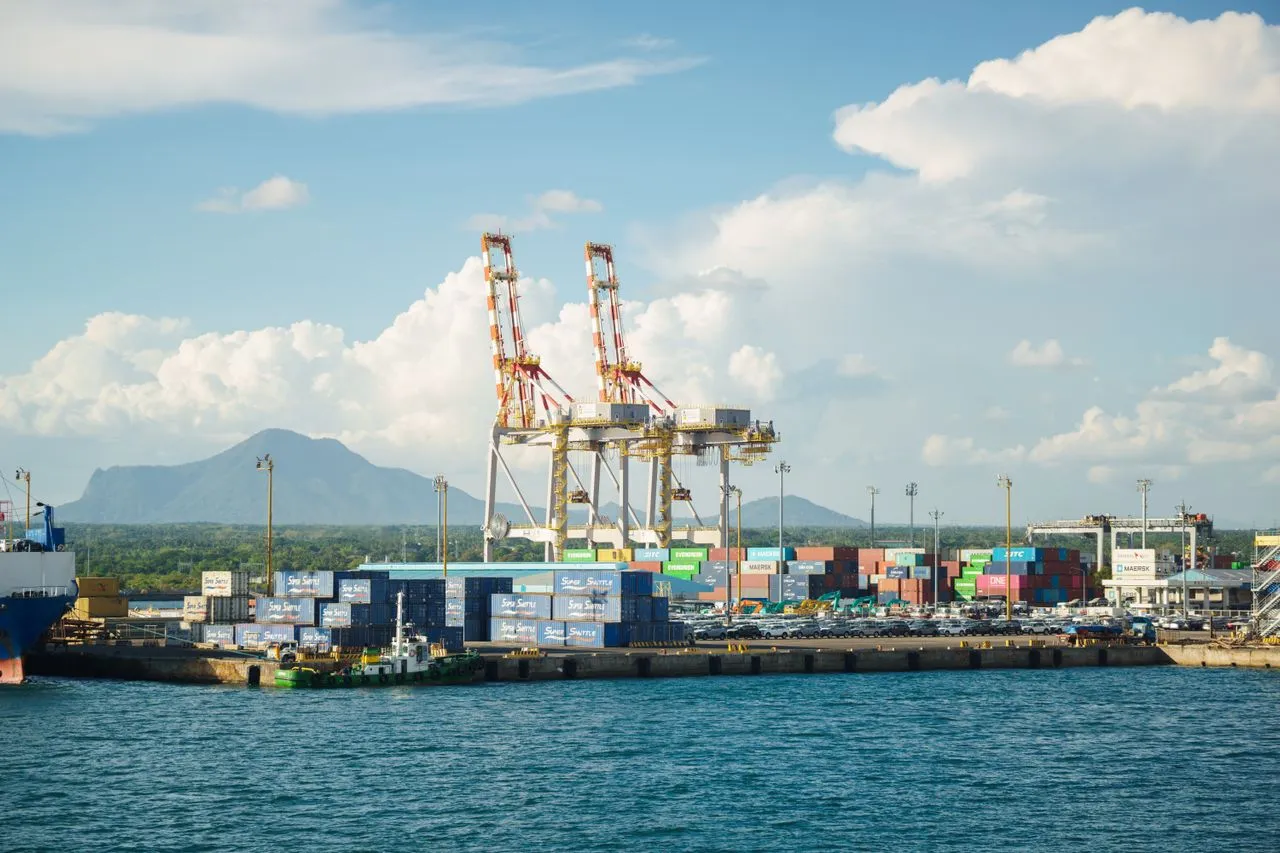
How does customs clearance at the port of Mombasa work?
Clearance at the port of Mombasa is based on a complete set of documents: the Certificate of Conformity, packing list, and transport documents, verified by Kenyan customs before the goods are released.
Typical clearance sequence:
- Container loading in Poland or the USA, together with the full set of export documentation.
- Sea freight to the port of Mombasa.
- Customs declaration and verification of the Certificate of Conformity by customs authorities.
- Physical or documentary inspection of the shipment.
- Release of the goods and further transport to the importer's warehouse.
Fumigation documentation accompanies the shipment as an additional safeguard of compliance with phytosanitary requirements for textile imports. Missing this document, or a mismatch with the container's contents, is one of the more common causes of clearance delays reported by importers working this route.
The port of Mombasa also handles transshipment of goods in transit to landlocked countries in the region, such as Uganda or Rwanda - worth factoring into planning if your target market extends beyond Kenya itself.
What customs duties does the Kenya Revenue Authority (KRA) charge?
Clearing used clothing in Kenya involves specific duties charged by the Kenya Revenue Authority (KRA), which importers should factor into their order cost calculations.
- Import Duty. 35% of the CIF customs value or USD 0.20 per kilogram of goods - whichever amount is higher is applied at clearance. KRA has officially confirmed this rate as unchanged (in effect since July 2022).
- VAT. Charged additionally on the CIF value plus import duty, in line with the standard rate applied to goods imported into Kenya.
- Clearance procedure. The customs declaration must be filed by a licensed customs agent through Kenya's electronic iCMS (Integrated Customs Management System).
Importers do not settle these charges directly without a customs agent - a licensed agent is responsible for correctly filing the declaration in iCMS and calculating the amounts due according to KRA's current tariff.
Disclaimer: KRA duty rates may change - before calculating order profitability, verify the current rates and the full scope of charges directly with a licensed customs agent or on the KRA website.
What order volume makes sense for importing to Kenya?
A realistic starting point for importing to Kenya is a 40' HC container - smaller volumes are rarely cost-effective given sea freight and certification costs on this route. As a rough guide, a 40' HC container holds around 440-600 bales of 45 kg (100 lbs) each, giving roughly 20-27 net tons of clothing - the exact figure depends on the supplier's compression level when baling, so it's worth confirming the exact tonnage at the inquiry stage.
| Parameter | Approximate value |
|---|---|
| Container type | 40' HC (High Cube) |
| Capacity | roughly 440-600 bales of 45 kg (100 lbs) each, i.e. around 20-27 net tons, depending on the supplier's compression level |
| Goods format | Bales of 100 lbs / 45 kg (Grade A/B) |
| Delivery terms | CIF to the port of Mombasa, or EXW - to be agreed at inquiry |
| Sea freight time | approx. 30-45 days from ports on the US East Coast or from Europe to Mombasa |
| Accompanying documentation | Certificate of Conformity, fumigation certificate, packing list |
Price depends on the class of goods, order volume, and delivery direction - we prepare an individual quote for importers upon inquiry.
For importers testing the market or starting a new partnership, smaller volumes can be considered on a case-by-case basis, but logistics and certification costs on the transatlantic route make a full container a more cost-effective entry point than partial shipments.
Delivery terms - CIF or EXW when importing to Kenya?
Under CIF (Cost, Insurance, Freight) terms, the seller pays for sea freight and basic cargo insurance to the port of Mombasa. Under the Incoterms 2020 rules, the risk of loss or damage to the goods passes to the importer as soon as the container is loaded onto the vessel at the port of departure (in the USA or in Europe) - not after unloading in Mombasa. The seller is responsible for the cost of transport and insurance to the destination port but does not carry the risk during ocean transit itself.
Under EXW terms, the importer arranges transport from the point of loading at the seller's premises - this covers both sea freight and the entire logistics chain to the port of departure, and risk passes to the importer already at the seller's warehouse. This option works well for established partnerships, where the importer already has relationships with carriers and wants full control over transport costs.
A&E Clothing delivers under CIF and EXW terms - the choice depends on the importer's experience with international logistics and on the scale and frequency of orders. The specific terms are agreed at the individual quote stage for each order.
Which quality class should you choose for the mitumba market?
The retail mitumba market in Kenya mainly buys the Grade A/B class - clothing in good condition (Grade A) or with more visible signs of wear (Grade B), baled at 100 lbs / 45 kg.
| Class | Characteristics | Bale weight | Typical use |
|---|---|---|---|
| Grade A/B | Women's, men's, and children's clothing in good condition (A) or with more visible signs of wear (B) | Bales of 100 lbs / 45 kg | Piece-by-piece sales on the mitumba market |
| Premium/Cream | Carefully selected clothing in very good condition | Bags of 55 lbs / 25 kg | Higher-margin segment, larger urban centers |
| Mixed Rags | A mix with visible defects | Bales of 750-1000 lbs / 340-450 kg | Different market use, outside retail mitumba |
Don't use these names interchangeably - each class has a different market destination and a different bale weight, which directly affects an importer's margin calculation. Importers serving several market segments at once - for example, retail stalls and premium shops in Nairobi - often split an order across two classes within a single container, to supply both sales channels.
You can find more on the differences between classes and their market use on A&E Clothing's product offer page.
The most common mistakes first-time importers make when ordering from the USA
Importers taking their first steps in the US used clothing market tend to make a few recurring mistakes that can be avoided with proper preparation.
- Ordering too small a volume to start. Sea freight and certification costs are spread across the whole container - too small a lot lowers profitability per unit.
- Skipping verification of current customs requirements. PVoC rules and documentation requirements change - relying on outdated information delays clearance.
- Mixing quality classes without a clear split in the order. Not precisely defining the Grade A/B ratio makes retail sales planning harder.
- No pre-loading inspection on the first transaction. The option of a pre-loading inspection, or presence during loading (in person or through a third-party company), is a practical safeguard worth using while building trust with a new supplier.
- Underestimating the time needed to complete documentation. The Certificate of Conformity and fumigation certificate take time to issue - factor this into delivery planning.
Kenya as a gateway to the East Africa region
The port of Mombasa serves as the main logistics hub not only for Kenya itself, but also for landlocked countries across the East Africa region. Importers planning to distribute used clothing more widely often use Kenya as an entry point, with further inland transit.
This applies, among others, to the Ugandan market, which - unlike Kenya - has no direct access to a sea port and relies on transit through Mombasa or Dar es Salaam. Importers planning to serve both Kenya and neighboring countries at the same time should factor in the additional cost and time of inland transit already at the order-planning stage.
How to choose a used clothing supplier for the Kenyan market?
Choosing a used clothing supplier for the Kenyan market should be based on the predictability of batch quality and the completeness of export documentation - not solely on the unit cost of the goods.
Key criteria for evaluating a supplier:
- The ability to prepare full export documentation, including a fumigation certificate and support with obtaining the Certificate of Conformity.
- Uniform sorting standards, confirmed by consistent quality across successive deliveries.
- The option of a pre-loading inspection, or the importer's presence during loading.
- Flexibility in choosing quality classes within a single order (Grade A/B, Premium/Cream, Mixed Rags).
- Experience serving this specific export destination - familiarity with the documentation specifics of the Kenyan market shortens order fulfillment time.
A&E Clothing sorts used clothing sourced 100% from the United States, collected on the US East Coast, at two sorting facilities built on the same quality standards - in the USA and in Poland. This model preserves batch quality consistency regardless of order volume, which has a direct effect on the predictability of an importer's business.
FAQ
Yes. The Certificate of Conformity is required for clearance at the port of Mombasa and accompanies the shipment as proof that it passed PVoC inspection. Without this document, clearance is not possible.
PVoC is the pre-export verification procedure, carried out by an authorized inspection company. The Certificate of Conformity is the document issued once this procedure is successfully completed - it is the one presented during customs clearance.
A 40' HC container is a realistic starting point on this route because of sea freight and certification costs - it holds roughly 440-600 bales of 45 kg each, or about 20-27 net tons of clothing, depending on the supplier's compression level. Exact tonnage is confirmed on an individual basis at the inquiry stage.
Grade A/B dominates mitumba retail sales because of the piece-by-piece sales model. Premium/Cream works well in the higher-margin segment in larger urban centers.
Yes, customs regulations and certification requirements are subject to change. Before making a purchasing decision, verify the current PVoC and CoC requirements with an authorized inspection company or with KEBS.
We prepare export documentation, including the Certificate of Conformity and fumigation certificate, as part of order handling. The PVoC inspection itself is carried out by an authorized inspection company - the exact division of roles is agreed individually per order.
CIF covers the cost of sea freight and basic insurance to the port of Mombasa, but the risk of loss or damage to the goods passes to the importer as soon as the container is loaded onto the vessel at the port of departure, under Incoterms 2020 rules. Under EXW terms, the importer arranges transport and takes on risk from the point of loading at the seller's premises.
The port of Mombasa handles transit to landlocked countries in the region, including Uganda. Importers planning distribution beyond the Kenyan market itself should factor in the additional time and cost of inland transit when planning an order.
Import Duty is 35% of the CIF customs value or USD 0.20 per kilogram - whichever amount is higher is applied at clearance; KRA has confirmed this rate as in effect since July 2022. VAT is charged additionally on the CIF value plus duty. Verify the full calculation, including any additional charges, with a licensed customs agent before placing an order.
Planning to grow your international used clothing business? At A&E Clothing, we sort every batch with precision.
Get in touch with us and check our assortment.