5 myths about used clothing from the USA that hurt wholesalers' buying decisions
Used clothing from the USA is in high demand among wholesalers, but many myths still surround its import. Unsorted clothing is assumed to be random, the lowest price per kilogram is assumed to guarantee the best deal, and labels like Grade A or Grade B are assumed to mean exactly the same thing everywhere. In this article, we look at the most common beliefs that can lead to poor purchasing decisions. We show what wholesalers should really pay attention to when choosing used clothing from the USA, and why an importer's experience and way of working can matter more than price alone or a category name.
- Unsorted clothing doesn't mean random goods - the source and how it was collected matter most.
- Cream, Grade A, and Grade B aren't a universal standard - always check what quality criteria a specific supplier applies.
- Importing from the USA doesn't have to be complicated - working with an importer can simplify the whole process, from sourcing to delivery at the wholesaler's warehouse.
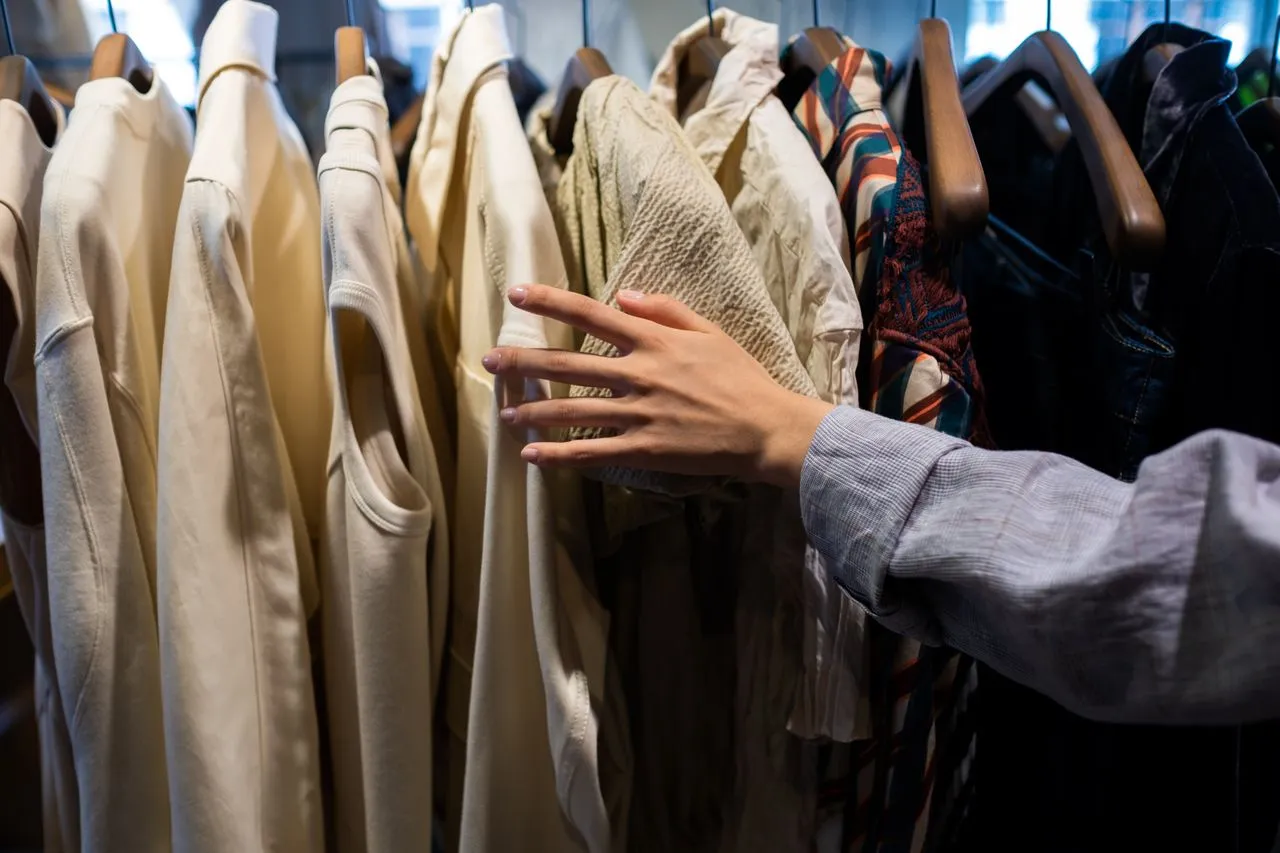
Myths about used clothing from the USA
Buying used clothing isn't just a choice between a cheaper and a pricier offer. Final profitability depends, among other things, on the source of the goods, how they were prepared, the quality classification, logistics costs, and how well the assortment fits the wholesaler's sales model. That's why popular beliefs about clothing from the USA don't always match reality.
Myth 1: unsorted used clothing from the USA is random and its quality can't be predicted
Fact: As a used clothing importer, we often hear the claim that if clothing hasn't already been divided into specific categories, buying it is the same as buying random goods. In reality, unsorted doesn't automatically mean poor quality or random origin. Quite the opposite - clothing from a good, verified source can be a very interesting product for a wholesaler, with high resale value.
In the case of unsorted goods known as credential or original, which reach importers untouched, origin is what matters most. A batch sourced from a random source should be assessed differently than one collected through a verified system such as used clothing collection in the USA, organized by trusted operators. In practice, clothing from affluent neighborhoods is largely made up of branded garments, often new or still-fashionable pieces, alongside a wide range of clothing types.
The lack of detailed selection at an earlier stage means a batch can contain a broad cross-section of products - from basic wardrobe staples to genuine finds. For many used clothing wholesalers, that variety is exactly the advantage. On the other hand, if a wholesaler needs a specific type of product and wants to minimize the time spent on its own sorting, a better solution may be clothing that's already sorted by defined criteria - known as Mixed Rags - which has already passed through a thrift store or an initial selection process while still in the United States. This is where a trusted importer's role matters: helping match the right type of goods to the client's needs.
In short, when buying used clothing from the USA, the label “sorted” or “unsorted” matters less than questions about origin, how the goods were collected, and the characteristics of the specific batch. That's the information that actually shows whether a given batch will suit a particular wholesaler.
Myth 2: the lowest price per kilogram is what matters most
Fact: Price per kilogram is usually one of the first criteria every used clothing wholesaler looks at. That's no surprise - with larger batches, even a small price difference can add up to a significant amount. The problem starts when price per kilogram becomes the only criterion for choosing a supplier. With used clothing, the purchase price alone doesn't tell you how much the goods will actually cost once they're ready for sale.
It's worth noting that two batches at the same price per kilogram can have very different resale value. One may contain more items that can go straight to market at good prices, while the other may need extra sorting and a lower valuation. All of this means the best purchase isn't necessarily the most expensive or the cheapest option, but the one that fits a specific sales model.
Before buying, it's worth comparing not just the price per kilogram, but also transport costs, the amount of sorting needed, the share of goods ready for sale, and the expected revenue from the whole batch. Only then can you honestly answer which offer is actually the most favorable.
Myth 3: cream, Grade A, and Grade B mean the same thing at every supplier
Fact: A very serious mistake wholesale buyers often make is treating names like Cream, Grade A, or Grade B as a single, industry-wide standard. The category name alone doesn't give full information about what's actually in the batch.
That doesn't mean these classifications are unreliable or useless. Quite the opposite - they're very helpful, because they make it easy to gauge the expected level of the goods. The problem starts when a buyer compares only the category name, without checking how a specific supplier defines it.
A wholesaler that wants to compare offers with full awareness should ask not just about the category, but about its exact specification. It's worth finding out what selection criteria apply, what quality control looks like, what type of secondhand clothing goes into a given category, and how it's prepared for shipment. Real photos of the assortment also help verify whether the declared standard matches what the client expects.
As a company that is a direct importer of used clothing from the United States, we provide detailed information about what we include in each category. We believe that if a category is going to be the basis for a regular partnership, the client should know exactly what they're buying and what to expect with each subsequent order.
Myth 4: importing from the USA means a long and complicated supply chain
Fact: A used clothing wholesaler that wants to sell clothing from the United States to thrift stores can handle direct importing itself, but it doesn't have to. That matters, because many companies are wary of arranging transport, dealing with foreign suppliers, inspecting goods, preparing documentation, and tracking every stage of delivery. That's certainly some risk. That's why it's often better to rely on an importer that specializes in importing goods from the USA.
When organizing the import of used clothing, the importer takes on sourcing good-condition goods from verified sources and transporting the purchased clothing to the destination country. It often also takes on tasks such as quality control at a used clothing sorting facility, sorting, and grading - though there's also the option to buy unsorted goods. For companies that sell secondhand clothing wholesale to thrift stores, this comprehensive approach means simpler logistics.
Under this kind of partnership, it stops mattering to the wholesaler how many stages the supply chain involves or what formalities have to be completed. What matters instead is that the goods arrive on time, at the agreed quality, and in line with the order specification. That's especially important for recurring deliveries. A wholesaler needs not just the goods themselves, but also predictability - the ability to plan purchases, warehouse space, sales, and future orders. Working with a reliable importer is invaluable in that respect.
Myth 5: used clothing from the USA only works in the cheap segment
Fact: Used clothing around the world is no longer seen as the cheapest, most worn-out, lowest-quality option. On the contrary, it's increasingly sought-after, high-quality clothing. Many pieces still have their tags on, are in perfect condition, and are significantly cheaper than mid-range clothing sold by fast-fashion chains. Environmental awareness among consumers is also growing. That's why used clothing from the USA, especially the higher-quality tiers, is in strong demand.
The quality range of used clothing from the USA spans everything from the premium segment to garments with visible signs of wear. That also means a wide assortment that includes premium brands, vintage clothing, streetwear, sportswear, timeless denim, casual clothes, unique and popular brand pieces, and many other options. It's possible to match quality and category to what's appropriate both for secondhand stores and for their customers.
It's also worth noting that sourcing a varied assortment, including lower-cost items from the lower end of the quality scale, opens the door for a wholesaler to grow international sales. There are markets where that kind of budget clothing is especially popular.
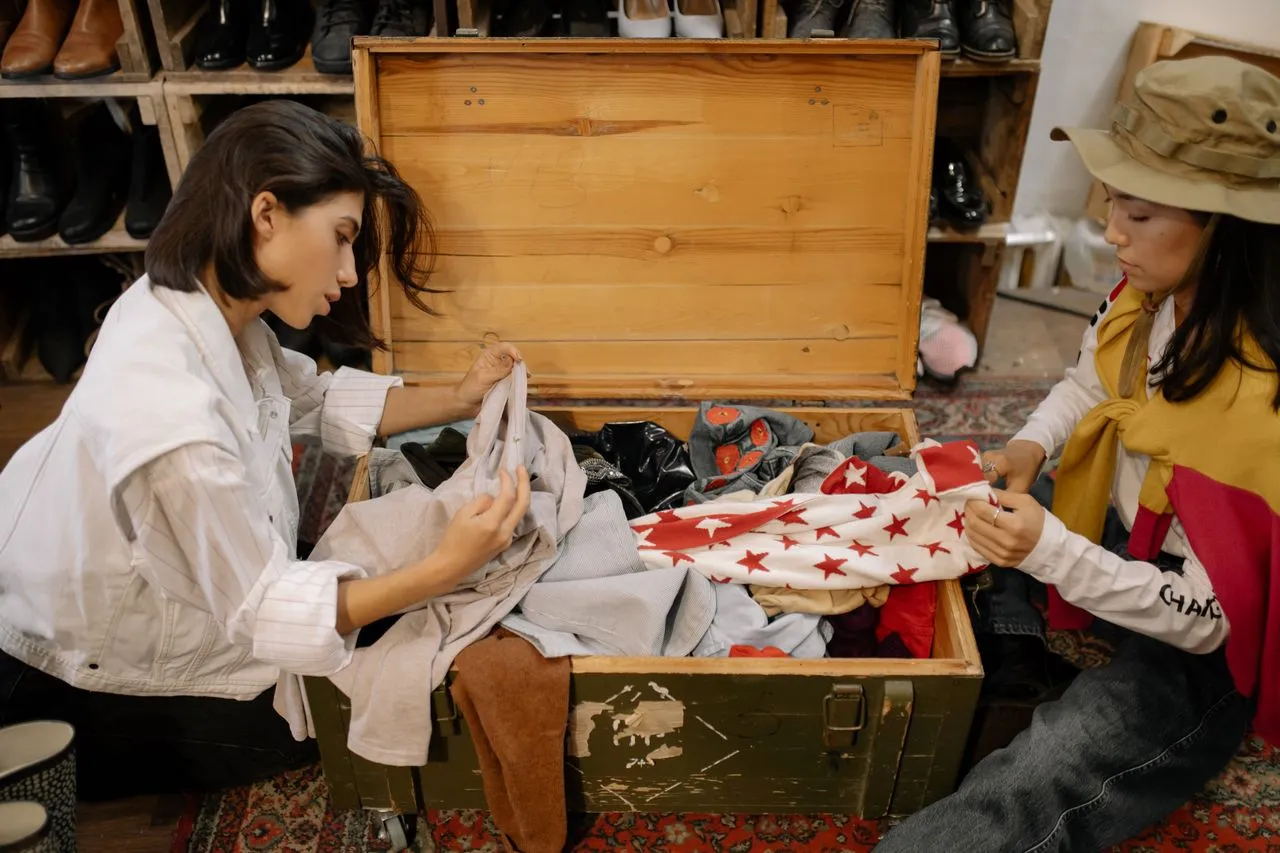
Used clothing from the USA - facts and myths
In the used clothing industry, it's easy to make a purchasing decision based on shortcuts: the lowest price, a familiar category name, an assumption about the quality of a particular origin, or hesitation about importing from the USA. Some of these shortcuts can work out, but more often the value of the goods is determined by far more - including their source, the characteristics of the batch, the sorting method, the total cost of the purchase, and ultimately how well the clothing meets end customers' needs. That's exactly why, when choosing a supplier, it pays to look beyond the commonly repeated stereotypes.
FAQ - frequently asked questions
Absolutely - used clothing from the USA can be an excellent choice for a new wholesaler. The priority, though, is defining the target audience, the sales method, and the expected price level. Only on that basis can the right type of goods and the scale of initial orders be chosen.
Yes - batches that allow specific categories, brands, or product types to be pulled out, including premium products valued for their uniqueness, work especially well here. It's also worth keeping in mind that for online sales, what matters isn't just quality, but also consistency of assortment and the ability to restock regularly - which is why working with a good importer is invaluable.
Brands can matter a great deal, especially in the premium segment and retail sales. However, a whole batch shouldn't be judged solely on the presence of known brands. Condition, category, seasonality, styles, and real customer interest in specific products all matter as well.
Working directly with an importer reduces the number of links in the supply chain, which on one hand can lower the cost of sourcing goods, and on the other makes it easier to get information about origin and how the goods were prepared.
Not only can this be done, it's worth doing. A regular delivery schedule can be a good solution for a wholesaler with steady demand for used clothing. It makes it easier to manage warehouse space, plan sales, and avoid situations where popular categories run out of stock.